

The Background
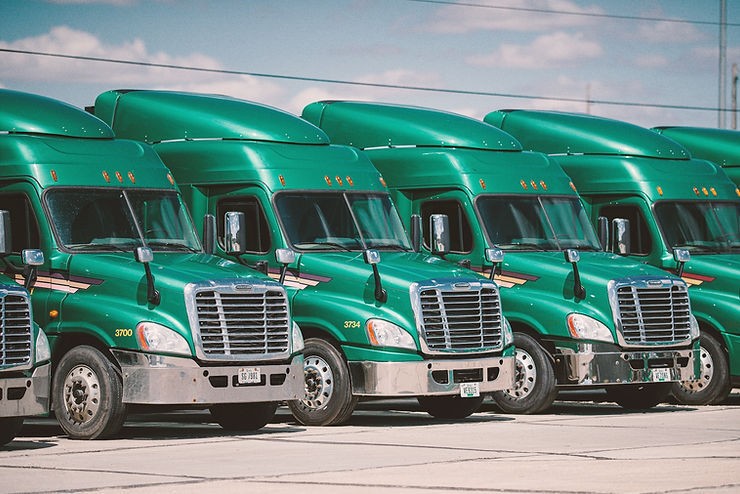
The distributor, a leader in the Manufactured Housing Building products distribution sector, manages an extensive US distribution network with its own fleet, supplemented by third-party logistics partners. In the post-pandemic landscape, surging demand revealed operational inefficiencies. Some distribution centers grappled with increased reliance on external carriers paying premium delivery costs. Shifting demand patterns and outdated customer service cutoff and delivery schedules added complexity, impacting service and profitability. The distributor recognized the need for a transportation strategy overhaul.
The Challenges
Revamping transportation strategy posed significant challenges:
Product Diversity: Shipping diverse products with varying densities and shipment requirements.
Data Gaps: Lack of volume and dimensions data for products, historical truck utilization records, and route data with timestamps.
Demand Variability: Fluctuating weekly demand required a robust and reliable strategy adaptable to shifting needs.
The Solution
Built an innovative solution using a data-driven approach to efficiently capture the distribution network and order requirements while optimizing the end-to-end network in a connected modeling architecture enabled by Foresta®. The solution determined:
Optimal warehouse-to-customer mapping
Customer cutoff and delivery schedules to improve distribution efficiencies and service levels.
Fleet allocation to improve resource utilization.
Mode selection to maximize profitability.
Efficient dynamic truck routes to minimize cost, meet order requirements, and fulfill hours of service rules.
Fleet management to maximize company's fleet utilization before relying on third-party trucks, while minimizing costs.
All of this was made possible by an innovative and scalable approach to estimating cube-adjusted weights of products with reliability and accuracy.
Benefits Achieved
The solution yielded remarkable improvements across various aspects:
Cost Reduction
Optimized routing led to up-to 13% cost reduction compared to the baseline over a year.
Resource Utilization
14% improvement in private fleet utilization, reduced reliance on external carriers, impacting both cost and service.
CO2 Reduction
Enhanced truck load building and routing, reduced mileage and resulted in reduced CO2 emissions.
Conclusion
With the implementation of this solution, the distributor relies on a data-driven approach to optimize their transportation planning decisions on an ongoing basis so that achieved results from this implementation could generate value day in and day out. While the project's goals are being met, the solution is designed to adjust as the underlying data changes to ensure continued success.


Subscribe
Subscribe for fresh perspectives in supply chain and advanced analytics.